

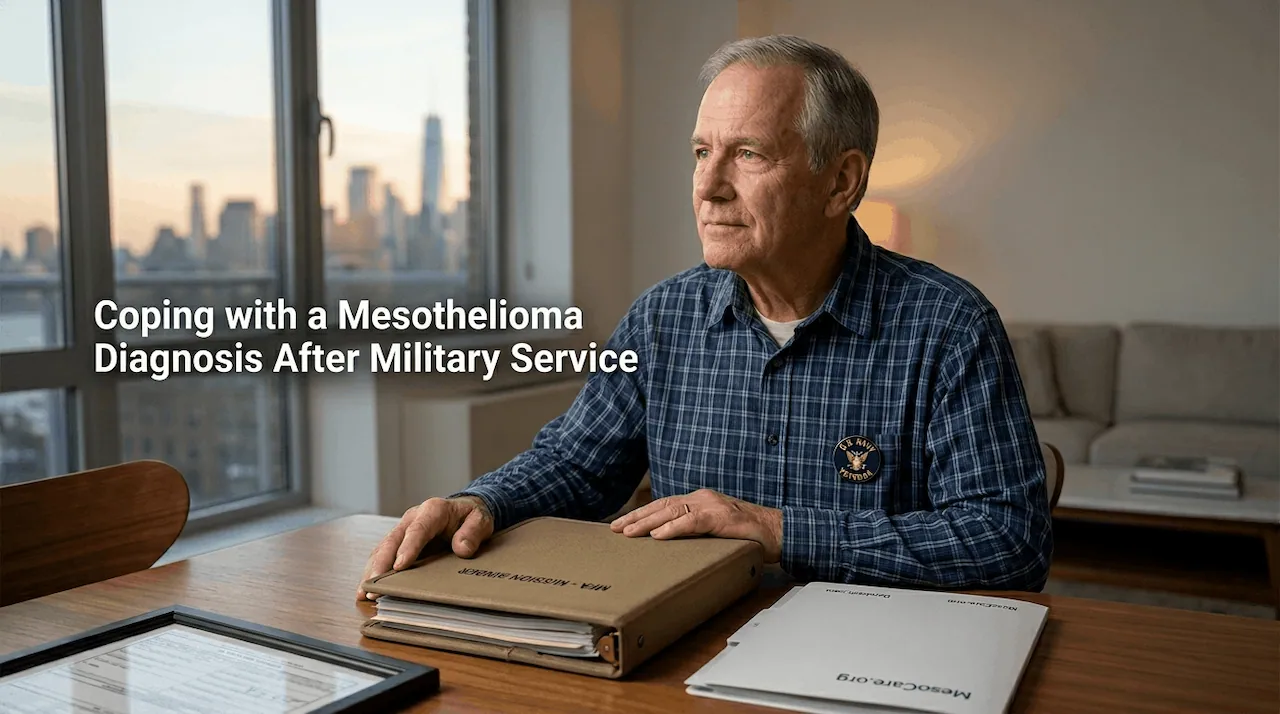
In the military, you were trained to expect the unexpected. Whether you served in the boiler rooms of a Navy destroyer, maintained aircraft on a sun-bleached flight line, or managed logistics at a busy Army depot, you operated under a code of discipline and preparedness. You fought for your country, ensuring the safety of those back home. However, many Veterans find that years after their discharge, a new and silent enemy has emerged: a diagnosis of mesothelioma.
The transition from a life of service to a life of medical appointments and oncology consultations often triggers a profound “why me?” moment. It feels like a betrayal of the health you maintained for the sake of the mission. But there is a vital shift in perspective that every Veteran must make: while you fought for your country then, your family and your advocates are fighting for you now. At the Mesothelioma Funds Administration, we ensure that the “logistics of recovery” are handled with the same precision you applied to your military service.
If you are struggling with the emotional and financial weight of this illness, comprehensive support for Veteran families is available to guide you through this transition. You do not have to carry this pack alone.
Validating the “Why Me?” Transition and the Reality of Asbestos Exposure
The “why me?” question is not just an emotional response; it is a logical one. Most Veterans lived healthy, active lives during their service. To be diagnosed decades later with an aggressive cancer like pleural mesothelioma feels fundamentally unfair. It is important to validate this frustration. You were exposed to a known toxin, often without proper protective gear, while performing duties essential to national security.
Understanding that this illness is a direct result of your environment , not your choices, is the first step toward coping. Whether the exposure happened in a shipyard, a barracks, or a motor pool, the “why” is rooted in the materials used at the time. Acknowledging this allows you to move from a place of confusion to a place of action. Identifying the specific source of exposure is a tactical step toward peace of mind.
Emotional Resilience and Support Systems for Asbestos Victims
Coping with a diagnosis requires a different kind of “mental toughness” than what was required in basic training. It involves vulnerability and the willingness to let others take the lead. This is where the mission changes. Your role now is to focus on treatment and quality of life, while your family and advocates handle the administrative battle. Building a support network is not a sign of weakness; it is a force multiplier.
“Adjusting to a cancer diagnosis involves a series of transitions that can affect every aspect of a person’s life. For Veterans, these challenges may be compounded by the unique circumstances of their service history and the complexities of the healthcare system.” — National Cancer Institute
Building Your “Support Platoon”
- Family and Caregivers: They are your front-line support. Let them help with daily tasks and emotional heavy lifting.
- Medical Specialists: Seek out doctors who specialize specifically in asbestos-related lung cancers.
- Patient Advocates: Professional advocates at Mesocare can help navigate the complexities of healthcare options and lifestyle adjustments.
Navigating VA Benefits and Financial Recovery in 2026
A major part of coping is removing the financial stress that a cancer diagnosis brings. In 2026, the VA has increased its focus on toxic exposure, but the system remains complex. Securing a 100 percent disability rating is critical for ensuring your family is protected. This rating provides a monthly, tax-free payment that can help cover the high costs of specialized care, which is currently averaging over $4,100 per month for married Veterans.
However, VA benefits are only one piece of the puzzle. You also have the right to pursue legal mesothelioma compensation from the private companies that manufactured the asbestos products used by the military. These trust funds were established specifically to compensate Veterans like you without the need for a traditional lawsuit against the government. Accessing these funds ensures that your medical costs do not become a burden on your loved ones.
Practical Steps After a Mesothelioma Diagnosis
To gain control over the situation, you must treat your diagnosis like a military operation. This means gathering intelligence and staying organized. Taking these steps can significantly reduce the “chaos” that often follows a diagnosis, allowing you to focus on the health outcomes that matter most.
- Document Your Service: Gather your DD-214 and list every duty station. Be specific about your roles (e.g., Boiler Technician, Pipefitter, Mechanic).
- Organize Medical Records: Keep a central binder for pathology reports and imaging scans. For more on this, here is a guide on organizing service records for urgent care.
- Apply for Expedited Processing: Because mesothelioma is terminal, the VA offers “Priority Processing.” Ensure your advocate flags your claim correctly.
Protecting Your Family’s Future
Coping also involves the peace of mind that comes from knowing your spouse and children are taken care of. This includes understanding Dependency and Indemnity Compensation (DIC) and ensuring your trust fund claims are filed correctly. By acting now, you are fulfilling your final mission: providing for your family’s long-term security. This proactive approach is a hallmark of the military mindset.
The Importance of Mental Health and Peer Support
Isolation is the enemy of recovery. Many Veterans find comfort in speaking with others who have walked the same path. Peer support groups through the VA or private organizations can provide a space where you don’t have to explain “why” you feel the way you do; they already know. Sharing your story can be a powerful way to reclaim your narrative from the illness and find purpose in helping others who are just starting their “Medical Mission.”
Conclusion: Taking Command of Your Journey
The transition from “Service Member” to “Patient” is difficult, but it is not a loss of rank. It is a change in the field of engagement. By accepting support and utilizing the resources available through the Mesothelioma Funds Administration, you take command of your situation. You served your country with honor; now, let your country and your family serve you. Moving forward with a structured plan is the best way to handle the challenges ahead.
For immediate assistance with your claims or to speak with a Veteran liaison, contact the Mesothelioma Funds Administration today.
Strategic Veteran Fact: According to data from the U.S. Department of Veterans Affairs, Veterans continue to represent the largest single group of mesothelioma victims, accounting for approximately 30 percent of all cases diagnosed annually in the United States.
Medical Disclaimer: Information is for educational purposes only and is not medical advice. Always consult a qualified physician.
Legal Disclaimer: Information is for educational and informational purposes only. No attorney-client relationship is formed by viewing content or submitting forms.
Compensation Disclaimer: Any amounts mentioned are examples and not guarantees; compensation varies by case. Use “potential,” “estimated,” or “average.”