

Medically reviewed by: Dr. Marcelo C. DaSilva, MD, FACS, FICS, Senior Medical Reviewer.
Clinical content reviewed by: Eleanor Ericson, RN, BSN and Lisa Hyde Barrett, RN, BSN of Nursing Liaisons.
Last reviewed: 2026-05-09. Editorial policy.
If you served on a US military base before 1980, you may have been exposed to asbestos. The Department of Defense used asbestos on bases for the same reasons the Navy used it on ships: heat resistance, fire resistance, and durability. Pipe insulation, boiler rooms, base housing, vehicle and aircraft maintenance shops, ship repair facilities, and demolition or renovation work all carried exposure risk.
This page is a starting point. We are building dedicated pages for individual bases. If your base is not yet listed, you can request it. The exposure information on this page applies to almost every base built or expanded between 1940 and 1980.
Where asbestos was used on military bases
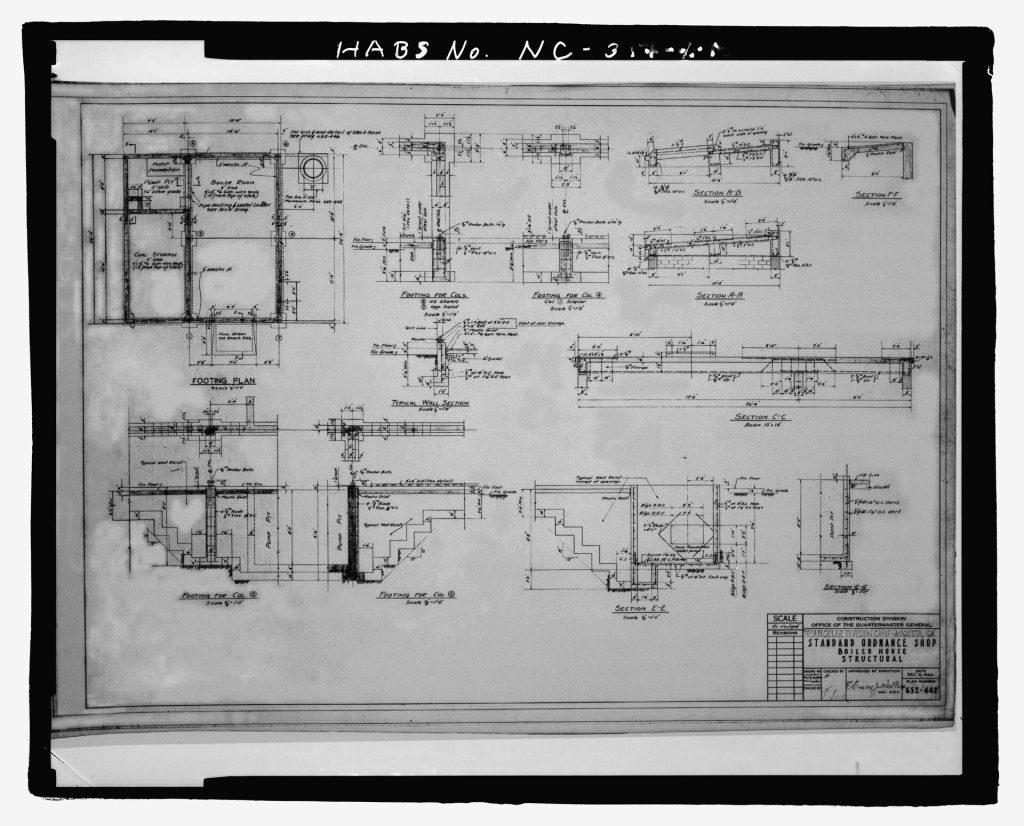
- Boiler rooms and central heating plants. Almost universal pre-1980. Pipes, boilers, valves, and pumps wrapped in asbestos. Boiler operators (Air Force AFSC 56210, Army 51K, Navy BT) had the highest direct exposure.
- Base housing. Floor tiles, ceiling tiles, wall panels, popcorn ceilings, joint compound, and roofing materials installed before 1980 commonly contained asbestos. Risk to occupants was low when intact, higher during renovation or damage.
- Vehicle maintenance shops. Brake linings, clutch facings, gaskets, and heat shields contained asbestos. Mechanics changing brakes on Army or Air Force vehicles inhaled brake dust routinely.
- Aircraft maintenance hangars. Brake linings, heat shields, fuel system gaskets, and engine components on military aircraft used asbestos. Crew chiefs, structural mechanics, and engine mechanics had direct exposure.
- Power plants. Bases with their own electrical generation had small power plants with the same asbestos exposure profile as commercial power plants.
- Ship repair facilities (Naval and Coast Guard bases). Same exposure profile as commercial shipyards.
- Demolition and renovation crews. Public works personnel who tore out old buildings, replaced flooring, or upgraded heating systems had elevated exposure.
- Construction battalions (Navy Seabees and Army engineers). Built and repaired structures using asbestos materials.
Who was exposed
The audience for this page is broad. Boilermen and Boiler Technicians had the highest exposure on most bases. But occupants of base housing built before 1980, motor pool mechanics, aircraft maintenance technicians, public works staff, and anyone who served in or near demolition projects also had elevated risk.
If you served on a base built or expanded between 1940 and 1980, in any role that took you near pipe insulation, vehicle brakes, aircraft engines, or building maintenance, asbestos exposure is plausible.
Bases by branch (in development)
We are building dedicated pages for individual bases. Expansion is happening one cluster at a time. If your base is not listed, you can call (800) 763-9692 to ask whether asbestos exposure is documented for your base and time of service.
Navy bases
Naval Station Norfolk, VA. Naval Air Station Pensacola, FL. Naval Air Station Jacksonville, FL. Naval Station San Diego, CA. Joint Base Pearl Harbor-Hickam, HI. Naval Submarine Base New London, CT. (Detail pages forthcoming.)
Army bases
Fort Bragg / Fort Liberty, NC. Fort Hood / Fort Cavazos, TX. Fort Benning / Fort Moore, GA. Fort Lewis / Joint Base Lewis-McChord, WA. Fort Bliss, TX. (Detail pages forthcoming.)
Air Force bases
Wright-Patterson AFB, OH. Tinker AFB, OK. Robins AFB, GA. McClellan AFB (closed 2001), CA. (Detail pages forthcoming.)
Marine Corps bases
Camp Pendleton, CA. Marine Corps Base Quantico, VA. Marine Corps Air Station Cherry Point, NC. Camp Lejeune, NC (asbestos exposure separate from the Camp Lejeune water contamination). (Detail pages forthcoming.)
Coast Guard bases
Coast Guard Yard, Curtis Bay, MD. (Detail pages forthcoming.)
How to confirm base exposure for a VA claim
The VA does not require you to prove the exact source of asbestos at your base. They require enough evidence that exposure was plausible given your duty assignment, your job, and the base’s known asbestos use.
- Your DD-214 establishes the dates and locations of your service.
- Your service personnel records (available from the National Personnel Records Center) show your specific duties.
- Buddy statements from former unit members can confirm specific tasks (boiler operation, brake replacement, demolition work).
- Base history documents, available through the Air Force Historical Research Agency, the Naval History and Heritage Command, and the US Army Center of Military History, sometimes document specific facilities and their construction dates.
- The pathology report linking your diagnosis to mesothelioma completes the chain.
A free Veteran Service Officer can pull most of these for you and file the claim.
Where to start
If you are filing a VA claim, see VA Benefits for Mesothelioma. If you are a Navy veteran, see Navy Veteran Asbestos Exposure. If you are caring for a veteran with mesothelioma, see Veteran Caregiver Support.
For specific questions about your base and your service history, call (800) 763-9692.
This page was reviewed by the editorial team at Mesothelioma Funds Administration. For our editorial standards, see Editorial Policy. Last reviewed: 2026-05-07.
Have questions about your situation?
Call to speak with someone who can point you to the right Veteran Service Officer, walk you through what evidence you need, or explain how the trust fund pathway works alongside your VA claim. There is no cost and no obligation. We do not handle your VA claim ourselves; we help families understand the parallel benefit pathways that most veterans never claim.
Call (800) 763-9692 Phone line staffed during business hours.
Branch-specific deep dives
Most exposure pathways differ by branch. We have branch pillars that go deeper than this base-level overview:
- Army veteran asbestos exposure — boiler rooms, motor pools, base housing, aviation maintenance, MOS-specific exposure profiles.
- Air Force veteran asbestos exposure — aircraft brakes, engine fireproofing, hangars, missile silos, AFSC-specific exposure profiles.
- Navy veteran asbestos exposure — already covered separately as the most-affected branch.
Marines and Camp Lejeune
Marine Corps base infrastructure exposure has its own dedicated coverage, and Camp Lejeune is a special case with three independent compensation pathways:
- Marine Corps veteran asbestos exposure — Marine bases, amphibious ship duty, AAV maintenance, Marine air wings.
- Camp Lejeune asbestos exposure — VA disability + asbestos trust funds + PACT Act of 2022, in parallel.